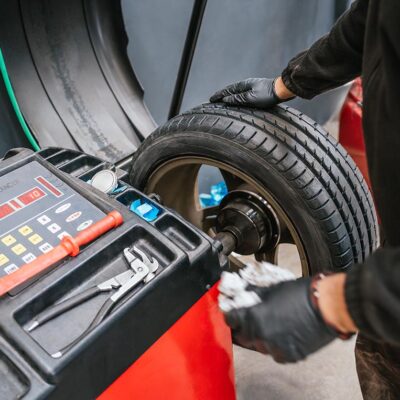
Balancing your tires keeps them spinning smoothly without wobbles, which prevents unwanted vibrations in your steering wheel and seat. Unbalanced tires can wear out faster and make driving less comfortable. You should get your tires balanced during rotations or if you feel shakes at higher speeds.
Tire balancing might sound like a small detail, but it’s key to a smooth, comfortable ride and longer-lasting tires. When tires are unbalanced, even a tiny weight difference can cause vibrations that you feel in the steering wheel or seat, especially at higher speeds. Over time, this shakes up your whole vehicle, leading to extra wear on parts like suspension and bearings.
Balancing ensures even weight distribution around the wheel, so everything spins smoothly without wobbles. It’s usually done when new tires are mounted or during rotations, and it helps to prevent uneven tread wear that could cut your tire life short. Benefits include better fuel efficiency since your car doesn’t have to work harder against vibrations, plus improved handling and braking. You’ll notice less noise and a more enjoyable drive overall.
Signs you need balancing include shaking at speeds over 50 mph or uneven wear patterns. It’s quick to fix and should be checked every 5,000 to 6,000 miles or after hitting a big pothole.
Ignoring it can lead to pricier fixes down the line, like having to replace worn-out suspension parts. Pairing balancing with rotations and alignments keeps everything in top shape.

