

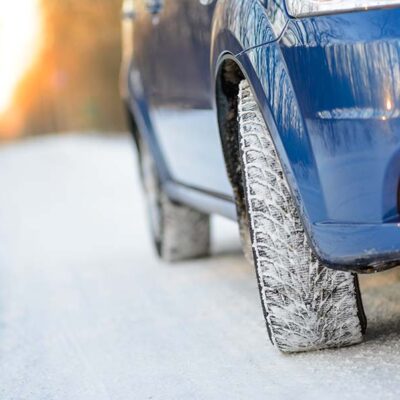
On rainy and snowy days, slow down and leave extra space between you and the car in front of you to avoid skids. Gently brake early and avoid sharp turns. Good tires with deep treads help, but remember, driving slowly and cautious in challenging conditions is the best way to stay safe.
Driving on wet and snowy roads calls for extra caution since water and ice can make surfaces slippery, increasing stopping distances and skid risks. Good habits and awareness turn potentially tricky drives into safer ones, protecting you and those around you. It’s about slowing down and giving yourself more room and time to react.
First, reduce speed. Wet and snowy conditions can double your stopping distance, so ease off the gas and brake gently early. Keep a following distance of at least 5-8 seconds instead of the usual 3, allowing time to stop without rear-ending the car in front of you. Turn on headlights for better visibility, even in daylight, and avoid sudden turns or lane changes to prevent hydroplaning, where tires lose contact with the road.
Check your tires beforehand. Proper inflation and deep tread (at least 4/32 inch) help channel water away for better grip. If you skid, stay calm. Steer gently in the direction of the skid and avoid hard braking. Watch for puddles that hide hazards like potholes.
In heavy rain and snow, pull over if visibility drops too low. These tips make wet drives less stressful and safer overall.