
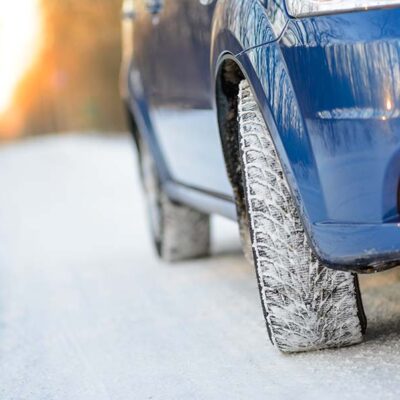
What Are Some Adequate Driving Tips For Wet And Snowy Roads?

On rainy and snowy days, slow down and leave extra space between you and the car in front of you to avoid skids. Gently brake early and avoid sharp turns. Good tires with deep treads help, but remember, driving slowly and cautious in challenging conditions is the best way to stay safe.

Driving on wet and snowy roads calls for extra caution since water and ice can make surfaces slippery, increasing stopping distances and skid risks. Good habits and awareness turn potentially tricky drives into safer ones, protecting you and those around you. It’s about slowing down and giving yourself more room and time to react.

First, reduce speed. Wet and snowy conditions can double your stopping distance, so ease off the gas and brake gently early. Keep a following distance of at least 5-8 seconds instead of the usual 3, allowing time to stop without rear-ending the car in front of you. Turn on headlights for better visibility, even in daylight, and avoid sudden turns or lane changes to prevent hydroplaning, where tires lose contact with the road.

Check your tires beforehand. Proper inflation and deep tread (at least 4/32 inch) help channel water away for better grip. If you skid, stay calm. Steer gently in the direction of the skid and avoid hard braking. Watch for puddles that hide hazards like potholes.

In heavy rain and snow, pull over if visibility drops too low. These tips make wet drives less stressful and safer overall.

More Tire Care Tips

How Can I Clean My Tires Properly?

Give your tires a good clean with mild soap, water, and a soft brush to remove dirt and brake dust. Rinse well and dry to prevent buildup. Avoid harsh chemicals that could damage the rubber. Regular cleaning keeps them looking sharp and can help to spot issues early.

Why Is Balancing Your Tires Important?

Balancing your tires keeps them spinning smoothly without wobbles, which prevents unwanted vibrations in your steering wheel and seat. Unbalanced tires can wear out faster and make driving less comfortable. You should get your tires balanced during rotations or if you feel shakes at higher speeds.

How Can I Check Tire Tread Depth At Home?

A simple way to check tread is the penny test: Stick a penny into the tread grooves with Lincoln's head upside down. If you can see the top of his head, it's time for new tires. This quick check helps ensure good grip on the road, especially in rain and snow.

What Are The Signs Of Uneven Tire Wear?

If your tires aren't wearing down evenly, it might show up visually as cupping/scalloping, feathering, or excessive wear on one side of your tire causing a bumpy ride, your car pulling to one side ,steering wheel vibrations, or unusual tire noise . This could mean issues like low air pressure, needing an alignment or suspension issues. Spotting these early keeps your drive safer and comfy. Give your tires a quick look-over monthly, and head to a shop if something seems off.

How Often Should I Rotate My Tires?

Rotating your tires regularly helps them wear better, which can make them last longer and keep your ride smoother. Most people should aim to rotate their tires every 5,000 to 7,500 miles, or whenever you get an oil change. Check your car's manual for specifics, as some vehicles my require it sooner. It's a quick job that can save you money in the long run!

How Do I Pick The Best Tires For My Car?

Choosing the best tire for your vehicle involves more than just finding the right size – it’s about matching the tire to the way you drive and the performance you expect. Start by consulting your owner’s manual or the label on the driver’s side door jamb for the manufacturer-recommended tire size and specifications. This ensures proper fit, load capacity, and safety.