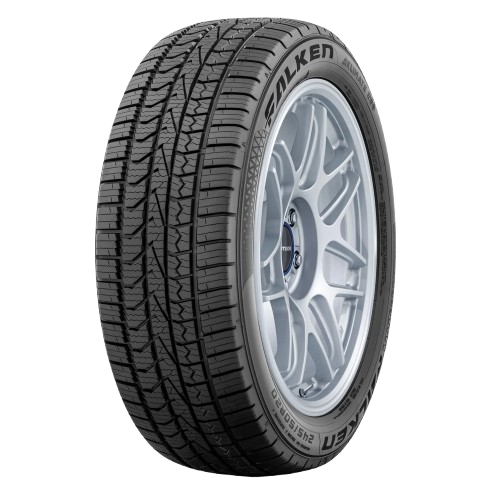
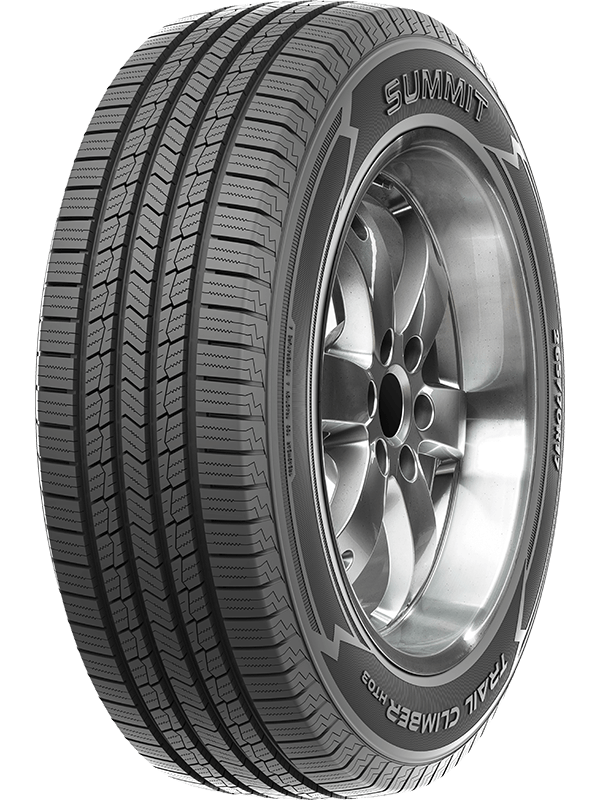
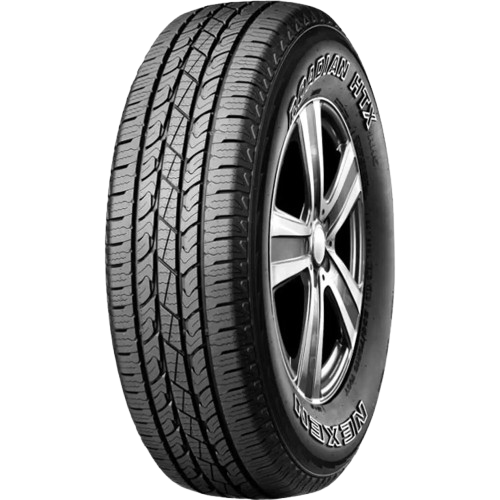
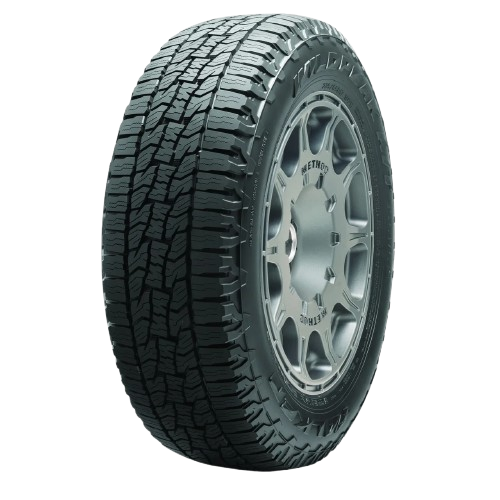
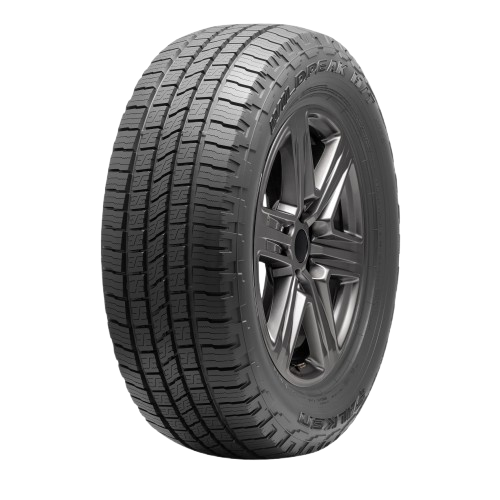
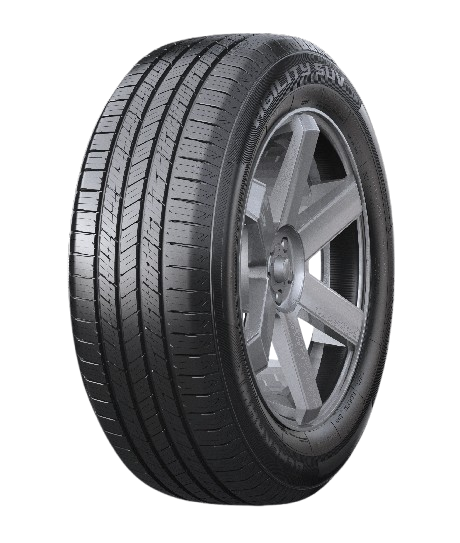
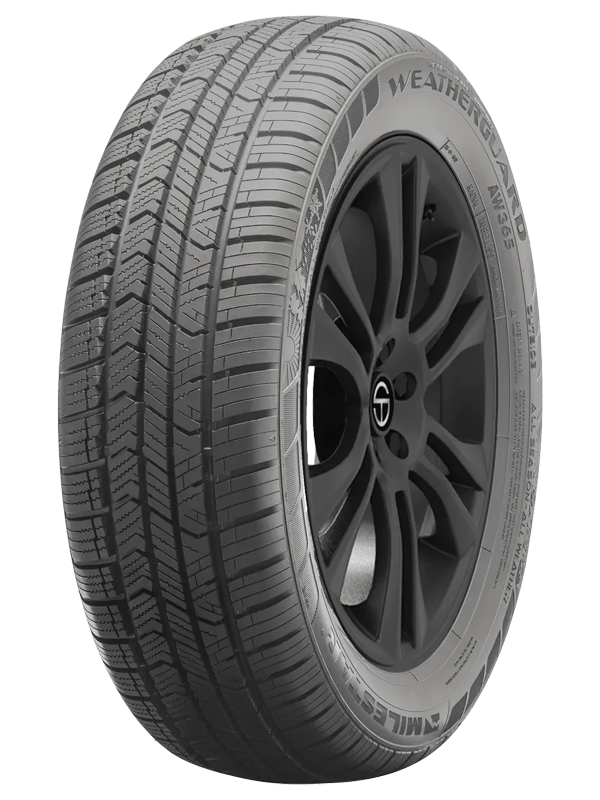
Choosing the right tires for your BMW New Class is essential for maintaining safety, comfort, and performance on the road. The tires you select can impact everything from handling to fuel efficiency, making it important to understand your options. Whether you’re driving a BMW New Class in urban traffic, on highways, or through varying weather conditions, selecting the right tires ensures optimal control and a smooth ride.
All tires for the BMW New Class are designed to meet the unique specifications of the vehicle, including weight, speed rating, and handling characteristics. From all-season tires to high-performance or winter-specific models, the right tires for your BMW New Class can enhance traction, reduce road noise, and provide long-lasting durability. Many drivers of the BMW New Class find that investing in quality tires not only improves driving confidence but also extends the life of the vehicle’s suspension and braking systems.
Tires for the BMW New Class come in a variety of tread designs and rubber compounds, allowing drivers to prioritize different performance aspects. For example, some tires focus on fuel efficiency, while others enhance cornering and braking performance. Regardless of the type, properly maintaining your tires on the BMW New Class, including regular rotations, balancing, and pressure checks, ensures consistent performance and safety.
The best tires for your BMW New Class depend on your driving conditions and style. All-season, winter, and performance tires are all compatible, providing options for every road and weather scenario.
Tire replacement for the BMW New Class varies depending on mileage, driving habits, and tire type. Regular inspections can help you determine when the tires no longer provide optimal traction or safety.
Most trims of the BMW New Class use compatible tire sizes, but it’s important to check the vehicle’s manual or consult a tire specialist to ensure proper fitment and performance.
Choosing low rolling resistance tires for your BMW New Class can improve fuel efficiency without sacrificing safety or handling. Proper tire maintenance also contributes to better mileage.


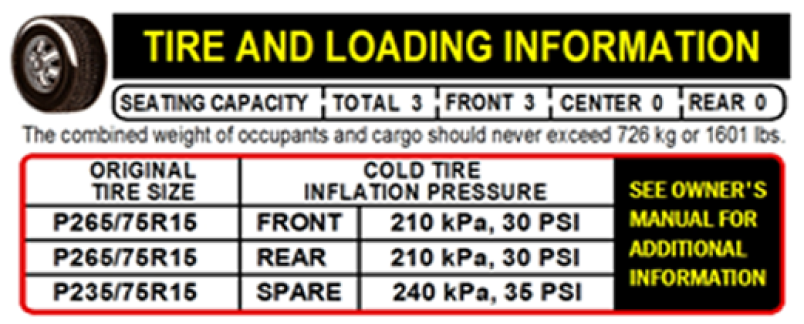
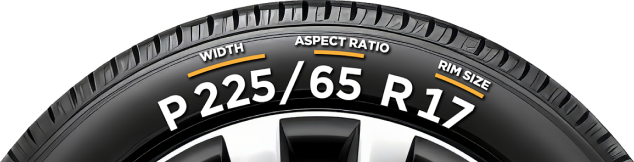
Always check with your vehicle manufacturer’s recommendations for proper tire fitment. Many vehicles have acceptable tire sizes listed in the owner’s manual. Selecting the correct tire size is critical. Tire size can affect your vehicle’s handling, stability, load capacity, speedometer/odometer accuracy, fuel efficiency, ride quality, brake performance, vehicle warranty, lease requirements, legal and insurance considerations.